

Experiences
Marrakech Street Food: What to Eat and Where to Find It
From harira and msemen to tanjia and grilled brochettes, here is what to eat on the streets of Marrakech, where to find it and how to order like a local.
By the Warider team · · 5 min read
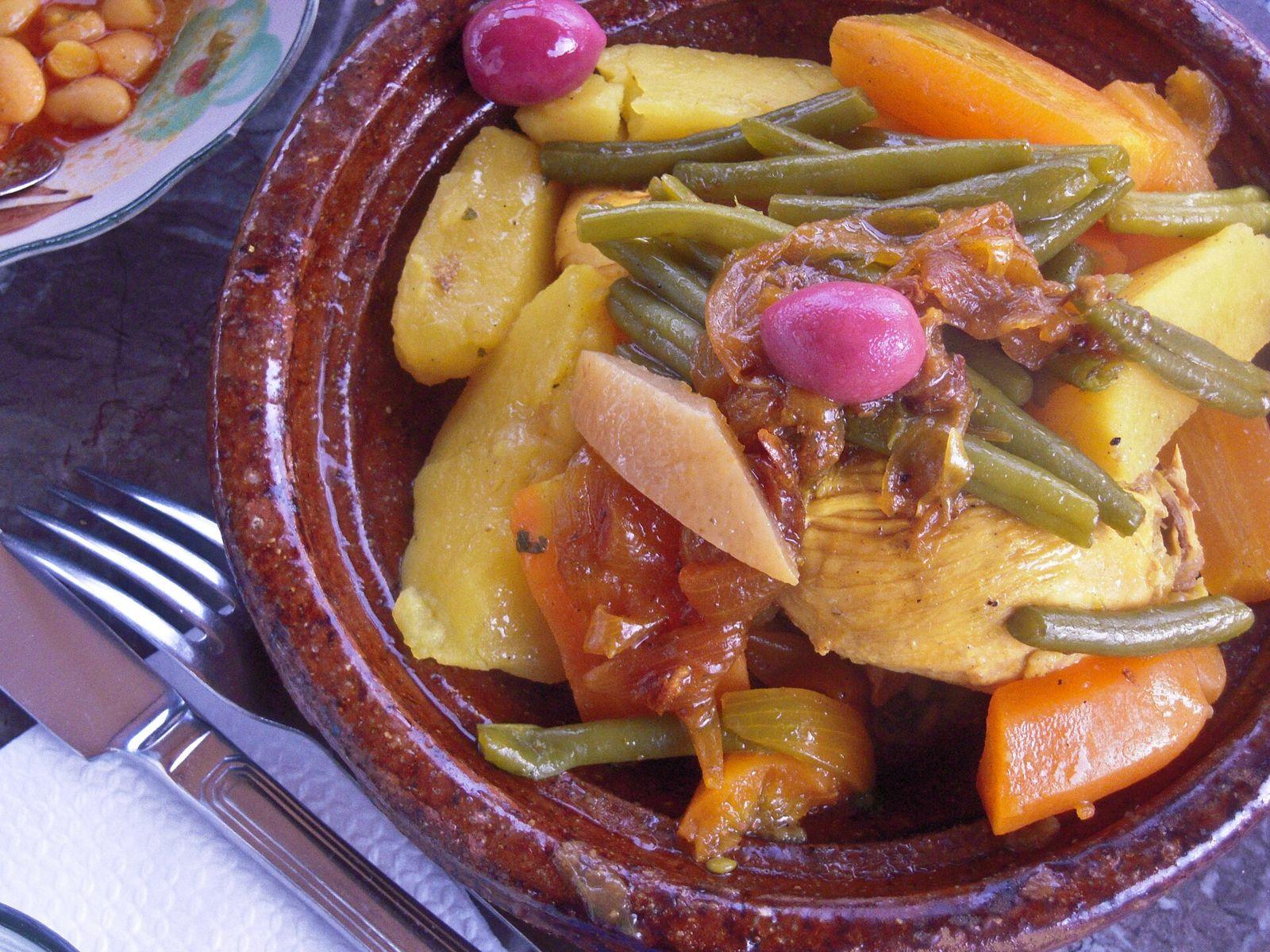
Marrakech street food is one of the best (and cheapest) ways to understand the city: hot soup at a counter, bread straight from the griddle, slow-cooked tanjia and smoky grills on Jemaa el-Fna in the evening. This guide covers what to eat, where to find it and how to order with confidence, so you can spend less time worrying and more time tasting.
The dishes worth trying
You do not need a long list. These are the classics you will see across the medina and in local neighbourhoods.
| Dish | What it is | When people eat it |
|---|---|---|
| Harira | Tomato, lentil and chickpea soup, often with a date on the side | Any time, very popular in the evening |
| Bissara | Thick fava bean soup with olive oil and cumin | Breakfast, cold mornings |
| Msemen and baghrir | Layered square flatbread and spongy semolina pancakes, with honey or butter | Breakfast and afternoon tea |
| Sfenj | Ring-shaped fried doughnuts, sold by the string | Morning |
| Tanjia | Beef or lamb slow-cooked for hours in a tall clay jar | Lunch, the local speciality |
| Brochettes and kefta | Grilled skewers of meat or spiced minced meat | Lunch and dinner |
| Babbouche | Snails in a peppery, herby broth served in small bowls | Evening |
| Maakouda | Fried potato fritters, often stuffed in bread | Snack |
| Orange juice | Freshly squeezed at carts and stalls | All day |
Tanjia, the Marrakech speciality
Tanjia is the dish locals are proudest of. Meat, preserved lemon, garlic, spices and a little fat go into a clay jar, which is traditionally left to cook slowly in the hot ashes of a hammam furnace. The result is meat so tender it falls apart. You will find it in small restaurants around the souks and near the square, usually served with bread. Order it at lunchtime, when it is freshest.
Bread is part of every meal
Moroccan bread (khobz) comes with almost everything and is used as a spoon. Tear a piece, use it to pick up meat and sauce, and do not be surprised if it arrives without being ordered. Some places add bread and small extras like olives to the bill, so ask if you are unsure.
Where to eat street food in Marrakech
Jemaa el-Fna food stalls
When the afternoon turns into evening, rows of numbered food stalls are set up on the main square. Grills start smoking, benches fill up and stall staff call out to passers-by. It is lively, fun and worth doing at least once. Expect a mix of grilled meat, fried fish, salads, harira and snail soup. Stall staff can be persistent: smile, take your time and walk the rows before choosing.
The souks and side streets
Just off the square, small counters sell tanjia, mechoui (slow-roasted lamb, usually sold by weight in the late morning) and sandwiches. Look for places full of locals at lunch. In the souks you will also find sellers of nuts, dates and sweets.
Outside the medina
Neighbourhoods like Gueliz have snack bars, bakeries and pastry shops where Marrakchis stop on their way to work. Prices are often lower than on the square and the atmosphere is calmer. A short ride with a local is an easy way to discover these spots: with Find a Rider in Marrakech, you choose interests like food, and a verified local rider can take you between neighbourhoods you would not reach on foot.
How to order without stress
- Check the price first. Prices are not always displayed, and they vary by stall. Look for a menu board or ask "how much?" before you sit down, and confirm what is included.
- Carry small change. Street food is paid in cash, and small notes and coins make life easier.
- Order a little at a time. Start with one or two dishes and add more. It avoids waste and surprises on the bill.
- Learn two words. "Shukran" (thank you) and "la shukran" (no thank you) go a long way.
- Use your right hand to eat and pass food, especially when sharing from a common plate.
For more on local manners at the table and in the souks, read our Morocco etiquette tips.
Hygiene tips for a happy stomach
Most visitors eat street food in Marrakech without any problem. A few simple habits make it even safer:
- Choose busy stalls. High turnover means fresh ingredients.
- Eat food cooked in front of you and served hot, especially grilled meat and soups.
- Drink bottled water and be careful with ice and raw salads if you have a sensitive stomach.
- Peel your fruit or choose juice squeezed while you watch.
- Bring hand sanitiser or wipes, as not every stall has a sink.
- Go easy on day one. Rich food, heat and travel fatigue are a strong combination.
Planning a street food evening
Street food in Marrakech is best enjoyed as a slow walk rather than one big meal. A simple plan:
- Late afternoon: orange juice on the square, then a walk through the souks.
- Sunset: a mint tea on a café terrace overlooking Jemaa el-Fna.
- Evening: harira and grills at the food stalls, then a bowl of snails if you are curious.
- After dinner: sweets and a stroll around the Koutoubia.
If you want to combine food with a wider look at the city, a 2-hour ride with a local rider (350 MAD in Marrakech, fixed price shown before you confirm, paid in cash at the end) lets you cover the medina walls, Gueliz and a food stop in one outing. Riders carry an approved passenger helmet for you, and you can meet them at Jemaa el-Fna, the Koutoubia, Jardin Majorelle or Gueliz. See our guide to things to do in Marrakech at night for more evening ideas, and how to get around Marrakech to plan your way back.
Final tips
Marrakech street food rewards curiosity. Try the classics, follow the locals, check prices before ordering and keep a bottle of water in your bag. Above all, take your time: a meal on a bench next to strangers is one of the most memorable moments of a trip to the city.
Frequently asked questions
- Is street food in Marrakech safe to eat?
- Most travellers eat street food without problems. Choose busy stalls with a quick turnover, eat food that is cooked in front of you and served hot, and drink bottled water.
- What is the most typical street food in Marrakech?
- Tanjia is the city's own dish: meat slow-cooked in a clay jar. Harira soup, msemen flatbread, grilled brochettes, snail soup and fresh orange juice are also everyday favourites.
- How much does street food cost in Marrakech?
- Prices vary a lot by stall, dish and location, and stalls on the main square usually charge more. Check the menu board or agree on the price before you order.
- When are the Jemaa el-Fna food stalls open?
- The open-air food stalls are set up in the late afternoon and run into the evening. Setup times can vary with the season and during Ramadan, so check on the day.
Keep reading
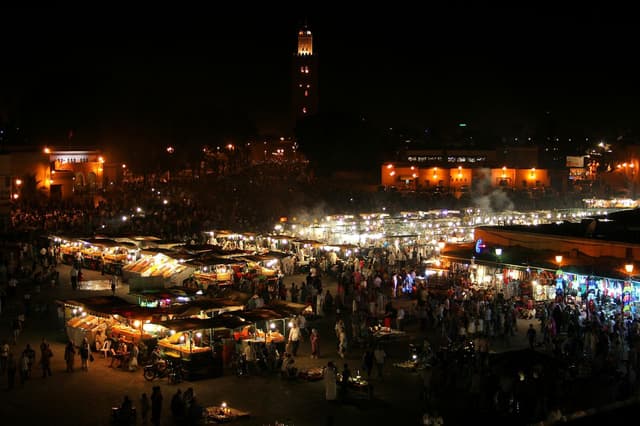 Experiences
Things to Do in Marrakech at Night: An Evening Guide
Marrakech changes after sunset. Here are the best things to do in the evening, from the storytellers of Jemaa el-Fna to rooftop dinners, Gueliz cafés and an evening ride with a local.
Updated Oct 1, 2026 · 4 min read
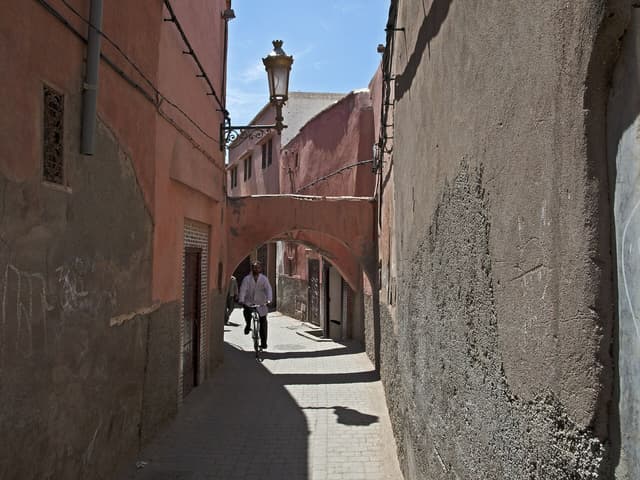 Practical tips
How to Get Around Marrakech: Taxis, Walking and Rides
Walking, petit taxis, buses, horse carriages or a ride with a local: a practical guide to getting around Marrakech, with honest tips on fares, the medina maze and when to use each option.
Updated Oct 1, 2026 · 4 min read
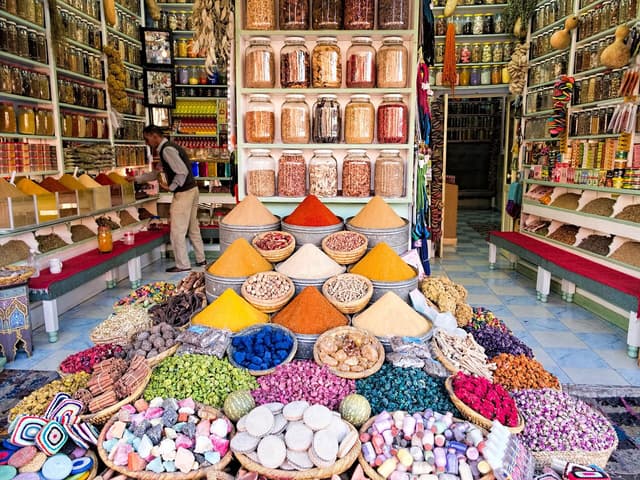 Practical tips
Morocco Etiquette Tips for Tourists: Do's and Don'ts
Simple, respectful habits make a big difference in Morocco. Here are practical etiquette tips on greetings, clothing, photos, bargaining, tipping, food and religious customs.
Updated Oct 1, 2026 · 5 min read