

Practical tips
Morocco Etiquette Tips for Tourists: Do's and Don'ts
Simple, respectful habits make a big difference in Morocco. Here are practical etiquette tips on greetings, clothing, photos, bargaining, tipping, food and religious customs.
By the Warider team · · 5 min read
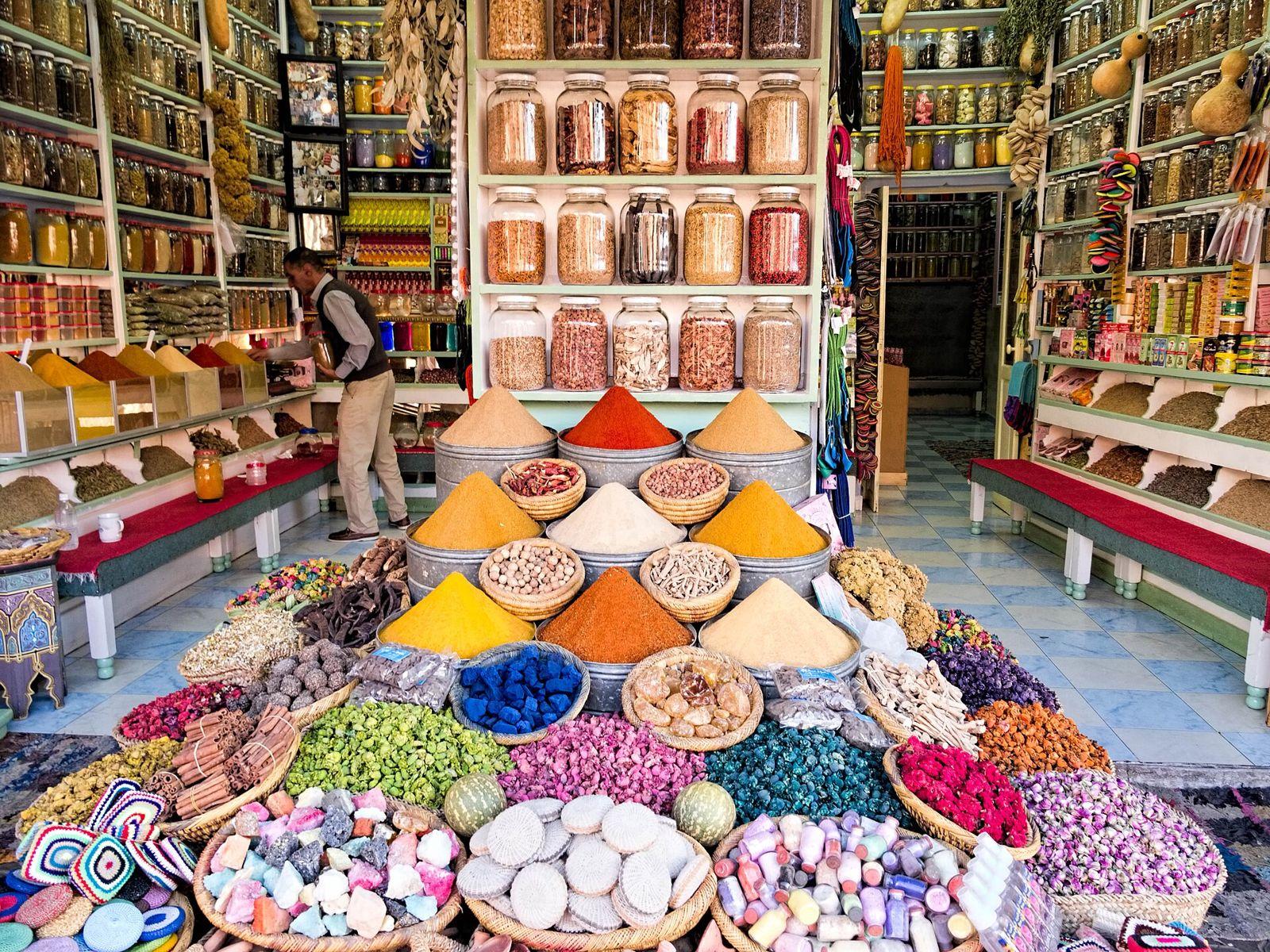
The most useful Morocco etiquette tips for tourists come down to a few habits: greet people warmly, dress modestly in traditional areas, ask before taking photos, bargain with a smile and respect religious customs, especially during Ramadan. Moroccans are known for their hospitality, and a little effort on your side is noticed and appreciated. Here is what to know before you go.
Greetings and everyday courtesy
Greetings matter in Morocco. Before asking a question in a shop, a café or on the street, start with a greeting.
- "Salam alaykum" (peace be upon you) is the standard greeting; the reply is "wa alaykum salam".
- "Shukran" means thank you, and "la shukran" (no thank you) is the polite way to decline offers in the souks.
- French is widely spoken in cities, along with Darija (Moroccan Arabic) and Amazigh languages. English is increasingly common in tourist areas.
- Handshakes are common between men. Between men and women, let the other person take the lead: some people prefer a nod with a hand on the heart.
- Take your time. Conversations often start with questions about your health, family and trip. Rushing straight to business can feel abrupt.
What to wear
Morocco is a Muslim country with a mix of traditional and modern lifestyles. In big city centres you will see every style, but in medinas, markets, small towns and the countryside, modest clothing is more respectful and attracts less attention.
| Situation | Recommended |
|---|---|
| Medina, souks, rural areas | Shoulders and knees covered, loose clothing |
| Modern districts, restaurants | Smart-casual, similar to European cities |
| Beach and pool | Swimwear only at the beach or pool, cover up to walk around town |
| Religious sites | Covered arms and legs; women may be asked to cover their hair |
| Riding as a motorcycle passenger | Long trousers, closed shoes and a light jacket |
Loose, light fabrics are also the most comfortable choice in the heat. A scarf is useful for sun, dust and visiting religious sites.
Photos, people and privacy
Morocco is incredibly photogenic, but people are not part of the scenery.
- Ask before photographing anyone, and accept a "no" gracefully.
- Street performers, water sellers and animal handlers often expect a tip if you photograph them. Agree before you shoot.
- Avoid photographing police, military sites and people praying.
- Be discreet with drones, which are strictly regulated; check the rules with official sources before bringing one.
Bargaining, tipping and money
Bargaining in the souks
Bargaining is normal in markets and craft shops, but not in supermarkets, pharmacies or places with fixed prices.
- Decide what the item is worth to you before asking the price.
- Stay friendly and patient; a good negotiation often includes a joke and a glass of tea.
- Only make an offer if you are genuinely interested. Agreeing on a price and then walking away is considered rude.
- If you cannot agree, thank the seller and move on politely.
Tipping
Tipping is part of daily life. It is customary to leave something for good service in restaurants and cafés, for guides, drivers, porters and hotel staff, and for performers you watch or photograph. There is no fixed rule: give what feels fair, preferably in small notes or coins.
Cash is king
Many small businesses only accept cash, so carry small notes. Some services work the same way: with Warider, for example, the price of a ride is fixed and shown in the app before you confirm, and you pay your rider in cash at the end. Nothing is charged online, and there is nothing to negotiate.
Food and hospitality
- Accept tea when offered if you can; it is a gesture of welcome. Declining politely is fine too.
- Eat with your right hand, especially when sharing from a common dish, and use bread to scoop food.
- Bread is respected. Avoid throwing it away carelessly.
- If invited into a home, bring a small gift such as pastries, remove your shoes if your hosts do, and expect to be offered more food than you can eat.
- Alcohol is available in licensed restaurants, bars and hotels, but drinking in public is not appropriate.
Hungry for more? Our Marrakech street food guide explains how to order and what to try.
Religion, mosques and Ramadan
- Most mosques are closed to non-Muslims. The Hassan II Mosque in Casablanca is a notable exception with guided visits; check times locally.
- The call to prayer is heard five times a day. There is nothing special you need to do, but lower your voice near mosques.
- Friday is the main day of communal prayer, and some shops close around midday.
- During Ramadan, avoid eating, drinking or smoking in public during daylight hours out of respect, even though many visitors are not fasting. Restaurants for tourists usually remain open. Dates change every year, so check them before your trip. Our guide to the best time to visit Marrakech covers what Ramadan means for your plans.
- Public displays of affection should be kept discreet.
Dealing with unwanted attention
In busy tourist areas you may meet unofficial guides, insistent sellers or people offering directions. Stay calm and polite: a smile, "la shukran" and continuing to walk is usually enough. If you need directions, ask a shopkeeper or a café owner. For a stress-free way to see a city with someone who knows it, a verified local rider is a good alternative: with Find a Rider, you book a 1 to 4 hour ride at a fixed price, the rider carries an approved passenger helmet for you, and you can chat in the app with automatic translation. See our safety page and our guide on how to get around Marrakech for more.
In the end, Moroccan etiquette is less about strict rules than about warmth and respect. Greet people, dress thoughtfully, ask before you photograph and bargain with good humour. You will be rewarded with conversations, invitations and memories that go far beyond the sights.
Frequently asked questions
- What should tourists wear in Morocco?
- Light, loose clothing that covers shoulders and knees is the most comfortable and respectful choice in medinas, markets and rural areas. Beach resorts and modern districts are more relaxed.
- Is tipping expected in Morocco?
- Tipping is common for good service in restaurants and cafés, for guides, porters and drivers, and for street performers you photograph. Amounts are flexible: give what feels fair for the service.
- Can non-Muslims enter mosques in Morocco?
- Most active mosques are reserved for Muslims. The Hassan II Mosque in Casablanca is a well-known exception with guided visits; check the current schedule locally.
- Is it rude to take photos of people in Morocco?
- Always ask first. Many people prefer not to be photographed, and performers or vendors may expect a small tip if you take their picture.
Keep reading
 Practical tips
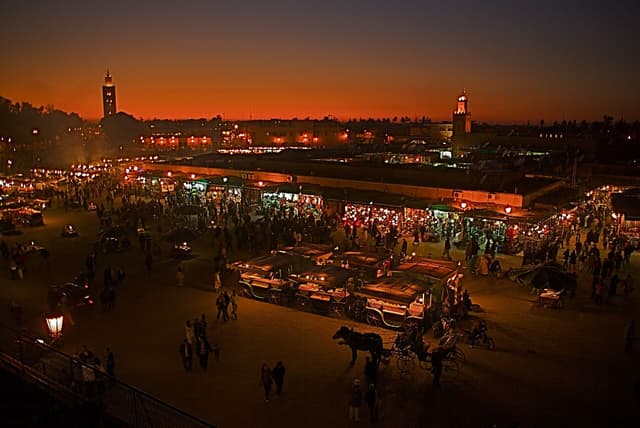
Visiting Morocco During Ramadan: A Respectful Travel Guide
Ramadan is one of the most special times to be in Morocco: quieter days, joyful evenings and iftar at sunset. Here is how to plan your trip respectfully and make the most of it.
Updated Oct 1, 2026 · 5 min read
 Experiences
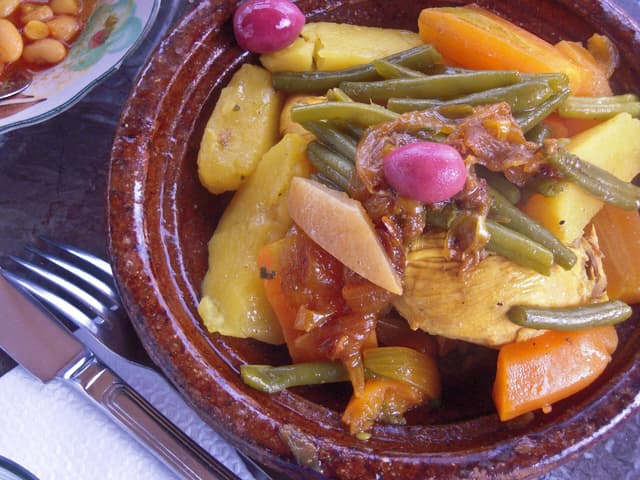
Marrakech Street Food: What to Eat and Where to Find It
From harira and msemen to tanjia and grilled brochettes, here is what to eat on the streets of Marrakech, where to find it and how to order like a local.
Updated Oct 1, 2026 · 5 min read
 Practical tips
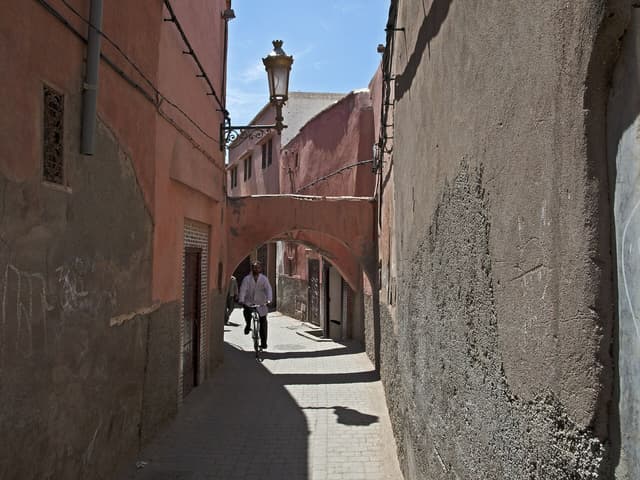
How to Get Around Marrakech: Taxis, Walking and Rides
Walking, petit taxis, buses, horse carriages or a ride with a local: a practical guide to getting around Marrakech, with honest tips on fares, the medina maze and when to use each option.
Updated Oct 1, 2026 · 4 min read