

Practical tips
Visiting Morocco During Ramadan: A Respectful Travel Guide
Ramadan is one of the most special times to be in Morocco: quieter days, joyful evenings and iftar at sunset. Here is how to plan your trip respectfully and make the most of it.
By the Warider team · · 5 min read
Visiting Morocco during Ramadan is a wonderful experience if you know what to expect: days are calmer and slower, many people fast from dawn to sunset, and the evenings come alive after iftar, the meal that breaks the fast. As a traveller you are not expected to fast, but a little discretion and flexibility go a long way. This guide explains how daily life changes, the customs to respect and how to plan your visits and rides around the holy month.
When is Ramadan?
Ramadan is the ninth month of the Islamic calendar, which follows the moon. Because the lunar year is shorter than the solar year, Ramadan moves about ten to eleven days earlier every year. It can fall in winter, spring or the heat of summer depending on the year.
- Check the dates for your year before booking. Calendars give expected dates well in advance.
- The exact start and end are confirmed close to the day, based on the sighting of the new moon, so allow a day of uncertainty.
- Eid al-Fitr, the celebration that ends Ramadan, is a family holiday. Expect some businesses to close and transport to be busier around it.
How daily life changes
The biggest change is the rhythm of the day.
| Time of day | What it usually feels like |
|---|---|
| Morning | Quiet streets, many people resting after a short night |
| Midday and afternoon | Calmer pace, some cafés and small restaurants closed |
| Just before sunset | Busy roads and markets as everyone hurries home for iftar |
| Iftar (sunset) | Streets suddenly empty; families eat together |
| Evening and night | Lively streets, open cafés, walks, shopping and prayers |
A few things to keep in mind:
- Opening hours change. Shops, offices, museums and monuments may open later, close earlier or pause around iftar. Check locally the day before.
- Many restaurants stay open in tourist areas and hotels during the day, while some local cafés close until sunset.
- The hour before iftar is the busiest moment on the roads. Plan to be where you want to be before then.
- After iftar the cities wake up. Evenings are often the best part of a Ramadan trip.
Iftar: the heart of the day
At sunset, the call to prayer signals the end of the fast. Iftar in Morocco often begins with dates and milk or water, then harira (a rich tomato, lentil and chickpea soup), boiled eggs, chebakia (honey-coated sesame pastries), msemen and other breads, followed by coffee or mint tea. Later in the night there may be a fuller meal, and before dawn many people eat suhoor before the fast starts again.
How to enjoy it as a traveller:
- Many restaurants and guesthouses offer an iftar menu. It is a lovely way to taste the season.
- If you are invited to share iftar with a family, accept warmly if you can. Arrive on time, since nobody wants to delay the meal, and a small gift such as pastries is always appreciated.
- Watch the streets fill again an hour or so after iftar, when people head out for walks and coffee.
Etiquette for travellers
Morocco is welcoming during Ramadan, and people do not expect visitors to fast. Showing respect is simple:
- Be discreet about eating, drinking and smoking in public during the day. Eat inside restaurants, at your hotel or somewhere private rather than walking down the street with a sandwich.
- Dress a little more modestly than you might elsewhere, especially in medinas and near mosques.
- Be patient. Fasting people may be tired in the afternoon; a smile and a bit of patience help.
- Keep the volume down near mosques, particularly during the evening prayers.
- Greet people with "Ramadan Mubarak" or "Ramadan Karim". It is always appreciated.
- Mosques in Morocco are generally not open to non-Muslims, with notable exceptions such as the Hassan II Mosque in Casablanca, whose guided visit times may change during Ramadan.
Visiting cities during the holy month
Each city has its own Ramadan mood:
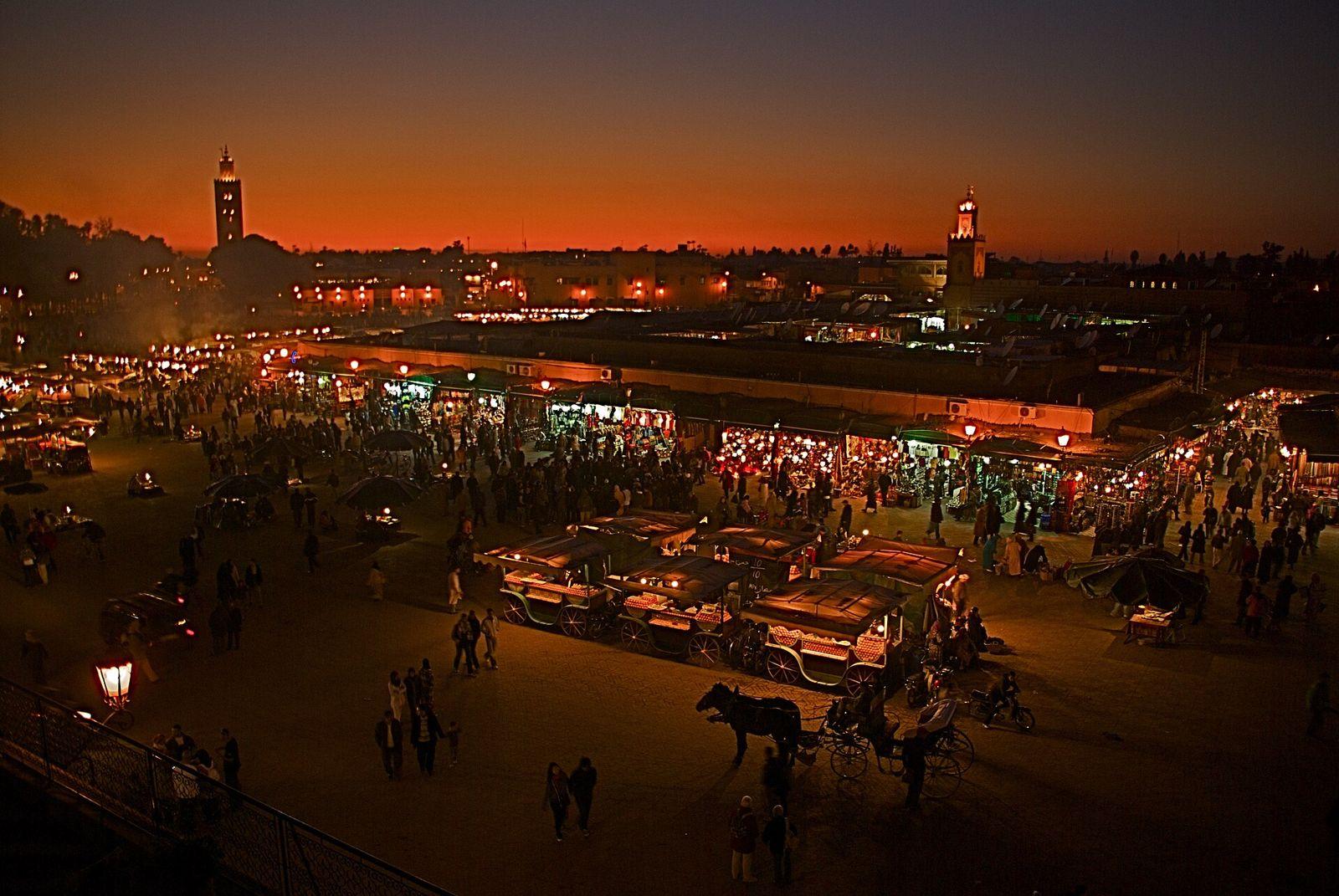
- Marrakech: Jemaa el-Fna takes on a special atmosphere at dusk and comes back to life after iftar.
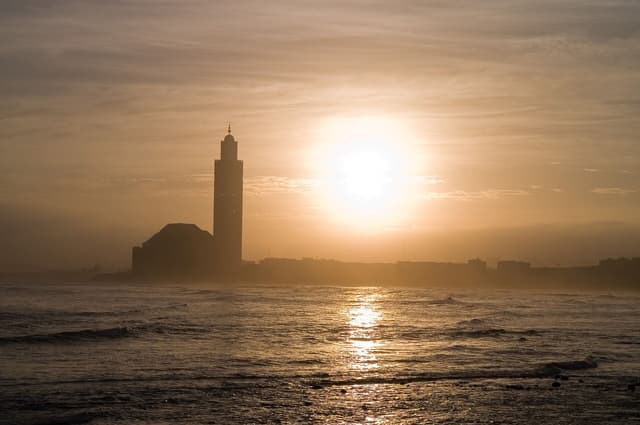
- Casablanca: the Corniche and downtown are lively in the evening, and the Hassan II Mosque lit up at night is a striking sight. See our guide to things to do in Casablanca.
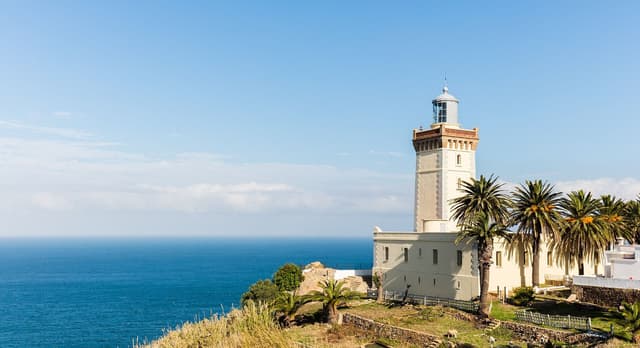
- Tangier: the Medina and the seafront fill up after iftar. Our guide to things to do in Tangier has more ideas.
- Agadir: the beach promenade is a favourite evening walk for families. Read things to do in Agadir.
Booking a motorbike ride during Ramadan
Warider works the same way during Ramadan: verified local riders, fixed prices shown before you confirm, an approved passenger helmet on every ride and payment in cash to the rider at the end. Rides are only booked within each city's normal service hours, so check them in the app.
Tips to make it work for everyone:
- Ride in the morning or the evening. Morning streets are quiet and pleasant; after iftar the city is at its most festive.
- Avoid the iftar moment itself. Many riders break their fast with family at sunset, so a ride ending well before iftar or starting after it is easier to match.
- Use the in-app chat. It translates automatically, so you can agree on timing and stops with your rider.
- Be considerate. Your rider may be fasting; avoid eating or drinking in front of them during the day, and plan a reasonable pace.
- Mind the pre-iftar traffic. Roads are busiest in the last hour before sunset.
When you are ready, find a rider in your city, and read the safety page if it is your first time as a passenger.
Should you go?
If you want a party atmosphere during the day, Ramadan may not be the best time. If you enjoy culture, food and evenings full of life, it can be one of the most rewarding times to visit. Check the dates, plan your days around iftar, and you will see a side of Morocco many visitors never experience.
Frequently asked questions
- Is it a good idea to visit Morocco during Ramadan?
- Yes, as long as you expect a different rhythm. Days are quieter and some places change their hours, but the evenings after iftar are warm, festive and very memorable.
- When is Ramadan in Morocco?
- Ramadan follows the Islamic lunar calendar, so it starts about ten to eleven days earlier each year. Check the expected dates for your year before you book, and remember that the exact start is confirmed close to the day.
- Do tourists have to fast during Ramadan in Morocco?
- No, visitors are not expected to fast. It is polite to be discreet about eating, drinking and smoking in public during the day, for example by eating inside a restaurant or at your hotel.
- Can I book a Warider ride during Ramadan?
- Yes, you book rides the usual way within each city's service hours. Plan around iftar, when many riders break their fast with family, and use the in-app chat to agree on timing.
Keep reading
 Practical tips
Morocco Etiquette Tips for Tourists: Do's and Don'ts
Simple, respectful habits make a big difference in Morocco. Here are practical etiquette tips on greetings, clothing, photos, bargaining, tipping, food and religious customs.
Updated Oct 1, 2026 · 5 min read
 City guides
Things to Do in Casablanca: A Local Guide by Motorbike
Casablanca rewards visitors who know where to look: a mosque over the ocean, Art Deco boulevards, the Habous quarter and a long seafront. Here is what to see and how to link it all up on two wheels.
Updated Oct 1, 2026 · 5 min read
 City guides
Things to Do in Tangier: Kasbah, Medina and Cap Spartel
Tangier sits where Africa faces Europe. Here is what to see, from the Kasbah and Grand Socco to Cap Spartel and the Hercules Caves, and how to fit it into a 1 to 3 hour ride.
Updated Oct 1, 2026 · 5 min read